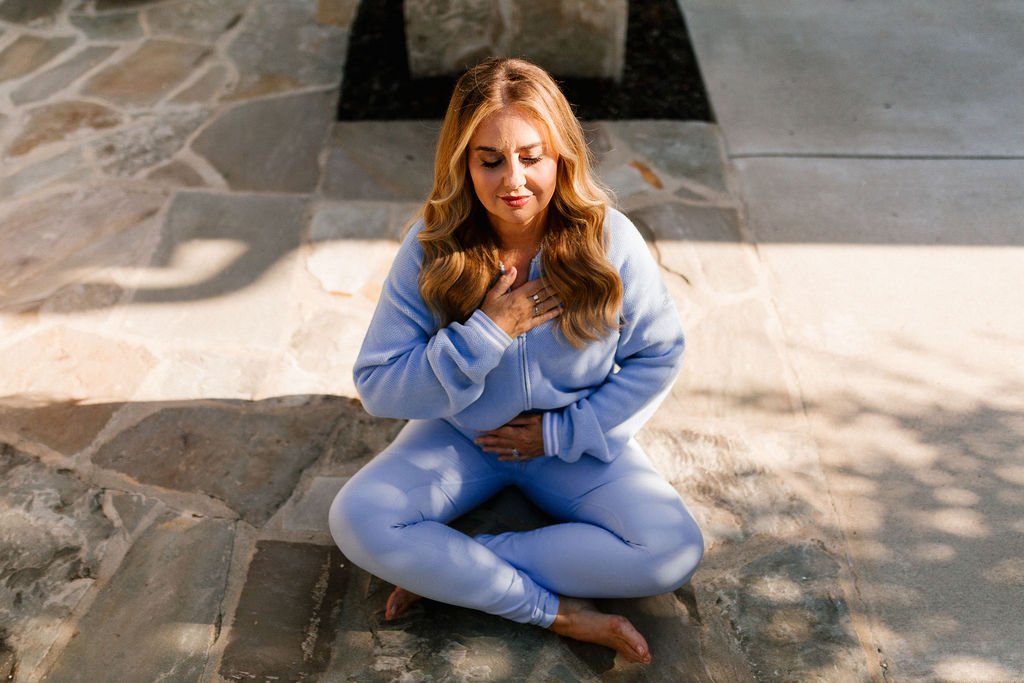

Life after trauma can feel like living on high alert. Even when you are safe, your body may react as though danger is just around the corner. This happens because the nervous system has learned to stay in survival mode. The good news is that you can teach it something new. With small, consistent practices, you can help your body shift toward calm.
Why Your Nervous System Needs Care
Your nervous system is like the body’s control center. It governs how you respond to stress, danger, or safety. When it is over-activated, you may feel anxious, restless, or shut down. When it is regulated, you feel grounded, connected, and able to think clearly. Learning tools that calm the nervous system is one of the most important steps in recovery.
Tool 1: Steady Breathing
Breath is one of the fastest ways to signal safety to your body. Try slowing your exhale to be slightly longer than your inhale. This activates the parasympathetic nervous system, the branch that helps your body rest and restore. Even two minutes of slow breathing can reset your state.
Tool 2: Grounding Through the Senses
When the mind races, the senses bring you back to the present. Look around the room and name five things you see. Notice four things you can touch. Tune in to three sounds, two scents, and one taste. This sensory grounding pulls your body out of survival mode and into the here and now.
Tool 3: Gentle Movement
Tension often builds in the body when stress has nowhere to go. A short walk, stretching, or even shaking out your arms and legs can release stored energy. Movement reminds your body that it is no longer stuck in the moment of trauma.
Tool 4: Cold or Warm Sensations
Temperature can shift the body’s state quickly. Splashing cool water on your face, holding an ice cube, or wrapping yourself in a warm blanket can bring your nervous system back to balance. Pay attention to which sensation helps you feel most settled.
Tool 5: Safe Connection
The nervous system is wired for connection. Talking with a trusted friend, spending time with a pet, or joining a supportive community signals to your body that you are not alone. Even short, safe interactions can create a sense of calm.
Bringing These Tools Into Daily Life
These practices are most effective when used regularly, not only during moments of crisis. Think of them as small deposits into your body’s “safety bank.” Over time, they strengthen your capacity to stay calm, present, and resilient.
Final Thoughts
Healing does not come from one big moment. It comes from simple, steady practices that teach your nervous system to rest. Breathing, grounding, movement, temperature shifts, and safe connection are everyday tools you can return to whenever you need calm.