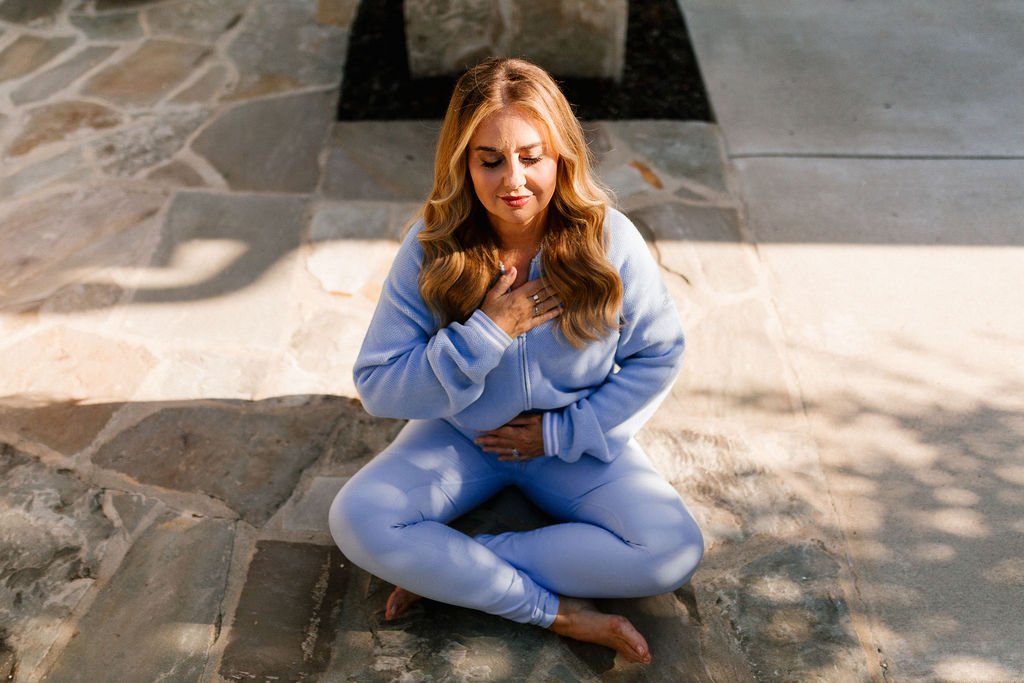

Healing requires safety. When you have lived through trauma, your nervous system is trained to expect threat, not comfort. That is why creating safe spaces, both inside yourself and in the environments around you, is such an important part of recovery. Safety gives your body and mind permission to rest, process, and begin to rebuild.
Why Safe Spaces Matter
Trauma often leaves people feeling unsafe in their own skin. Loud voices, chaotic environments, or even certain people can trigger survival responses. A safe space sends the opposite message. It tells your nervous system, you are okay here. In that environment, healing is not only possible, it becomes more sustainable.
What Makes a Space Safe
A safe space is less about perfection and more about intention. It is any environment that reduces stress, supports regulation, and allows you to show up as you are. Key elements often include:
- Calm surroundings such as soft lighting, familiar objects, or quiet settings that signal safety
- Predictability through routines or consistent boundaries that help the body feel grounded
- Non-judgment where you can share feelings without fear of criticism
- Comfort with items like blankets, favorite scents, or grounding tools that reinforce safety
Creating External Safe Spaces
Look at the places where you spend the most time. Your home, your workplace, or even a corner of a room can become a healing space. Small changes can make a difference:
- Declutter to reduce overwhelm
- Choose calming colors or natural elements
- Keep a grounding item nearby such as a textured stone, journal, or soothing candle
- Use sound intentionally, whether that is soft music, nature sounds, or silence
Even if you cannot control your entire environment, you can create a pocket of safety wherever you are.
Building Internal Safe Spaces
Safe spaces are not only physical, they can also be internal. Practices like deep breathing, mindfulness, or visualization help you create calm from within. Some people imagine a peaceful landscape or picture a comforting presence. Over time, your body learns it can carry a sense of safety anywhere.
The Role of Relationships
Safe spaces also exist in connection. A supportive friend, therapist, or community can provide emotional safety when your own system feels unsettled. Relationships built on trust and respect teach the nervous system that connection does not have to equal danger.
Healing Through Safety
When safety is present, your body no longer has to guard itself at every moment. Muscles soften. Breathing slows. Thoughts feel clearer. In that state, healing becomes less about survival and more about growth.
Final Thoughts
Creating safe spaces for emotional healing is not about controlling every environment. It is about choosing spaces, practices, and people that signal safety to your body. Each safe space, whether external, internal, or relational, becomes a reminder that healing is possible.